Understanding Diabetic Eye Exams: What You Need to Know

Updated: May 14
Diabetes can have a profound impact on various aspects of health, particularly on vision. One of the most critical components of managing diabetes is regular eye exams. These exams are essential for detecting diabetic eye diseases early, which can prevent severe vision loss. In this blog post, we will explore the importance of diabetic eye exams, what to expect during the process, and how to prepare for them.
Why Are Diabetic Eye Exams Important?
Diabetes can lead to several eye conditions, including:
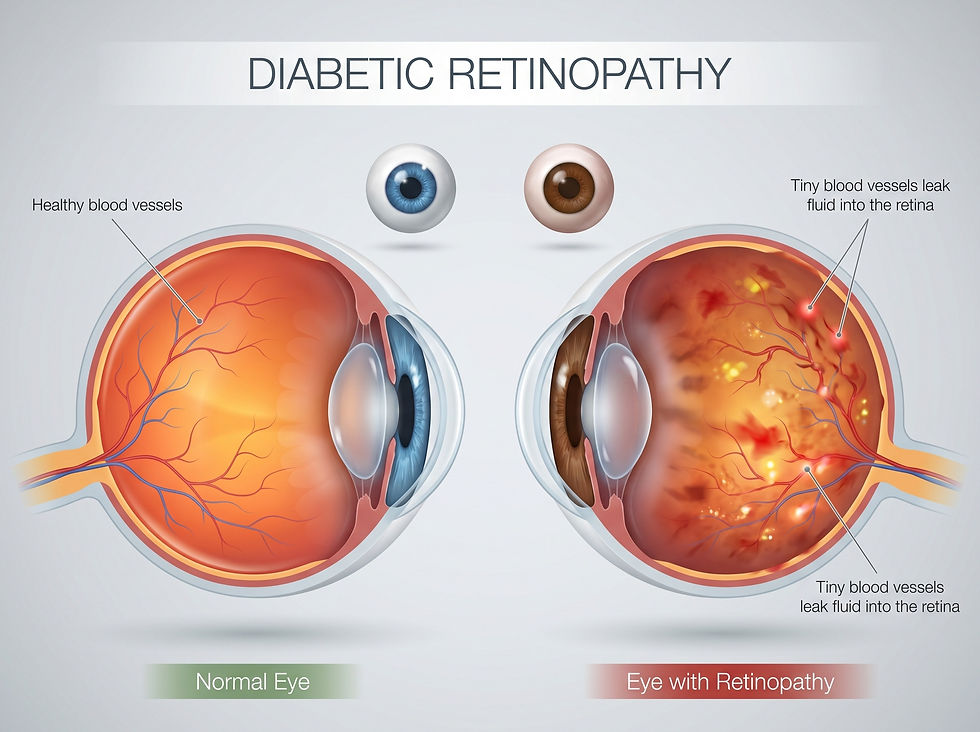
Diabetic Retinopathy: This is the most common diabetic eye disease, caused by damage to the blood vessels in the retina. It can lead to vision loss if not detected early.
Cataracts: People with diabetes are at a higher risk of developing cataracts, which cloud the lens of the eye and can impair vision.
Glaucoma: This condition involves increased pressure in the eye, which can damage the optic nerve and lead to vision loss.
Regular eye exams are crucial because they help detect these conditions before they progress to more severe stages. Early detection can significantly improve treatment outcomes and help preserve vision.
When Should You Get a Diabetic Eye Exam?
The American Diabetes Association recommends that individuals with diabetes have their first eye exam within five years of diagnosis. After that, the frequency of exams depends on the individual's risk factors and the presence of any eye disease. Here’s a general guideline:
Type 1 Diabetes: Start exams five years after diagnosis and then annually.
Type 2 Diabetes: Get an exam at the time of diagnosis and then annually.
Pregnant Women with Diabetes: Should have an eye exam in the first trimester and then follow up as needed.
What to Expect During a Diabetic Eye Exam
Understanding what happens during a diabetic eye exam can help alleviate any anxiety you may have. Here’s a step-by-step breakdown of the process:
1. Medical History Review
The eye doctor will begin by reviewing your medical history, including your diabetes management, any current medications, and any vision problems you may be experiencing.
2. Visual Acuity Test
You will undergo a visual acuity test, which measures how well you can see at various distances. This is typically done using an eye chart.
3. Dilation
Your eyes will be dilated using special eye drops. This process allows the doctor to get a better view of the retina and other internal structures of the eye. Dilation may cause temporary blurred vision and sensitivity to light, so it’s advisable to bring sunglasses for the trip home.
4. Comprehensive Examination
The doctor will use various instruments to examine the retina, optic nerve, and blood vessels. This may include:
Fundus Photography: Taking pictures of the back of the eye to document any changes.
5. Discussion of Findings
After the examination, the doctor will discuss the findings with you. If any issues are detected, they will recommend a treatment plan or further testing.
Preparing for Your Diabetic Eye Exam
Preparation can help ensure that your exam goes smoothly. Here are some tips:
Bring Your Medical Records: If you are seeing a new eye doctor, bring any relevant medical records, including your diabetes management plan.
List of Medications: Prepare a list of all medications you are currently taking, including over-the-counter drugs and supplements.
Plan for Dilation: Since dilation can affect your vision temporarily, arrange for someone to drive you home if necessary.
Managing Your Eye Health Between Exams
In addition to regular eye exams, there are several steps you can take to maintain your eye health:
Control Your Blood Sugar: Keeping your blood sugar levels within the target range can help prevent complications.
Eat a Healthy Diet: A balanced diet rich in fruits, vegetables, and whole grains can support overall health and eye health.
Stay Active: Regular physical activity can help manage diabetes and reduce the risk of eye problems.
Avoid Smoking: Smoking increases the risk of diabetic eye diseases, so quitting can significantly benefit your eye health.
Common Questions About Diabetic Eye Exams
How Often Should I Have an Eye Exam?
The frequency of eye exams depends on your diabetes type and overall eye health. Generally, annual exams are recommended for most individuals with diabetes.
Will I Need Treatment After My Exam?
Not everyone will need treatment after their exam. If no issues are detected, you may simply need to continue with regular check-ups. If problems are found, your doctor will discuss treatment options with you.
What If I Have Vision Problems?
If you experience any vision changes, such as blurred vision, floaters, or dark spots, contact your eye doctor immediately, even if it’s not time for your regular exam.
Conclusion
Diabetic eye exams are a vital part of managing diabetes and protecting your vision. By understanding the importance of these exams and what to expect, you can take proactive steps to maintain your eye health. Remember, early detection and treatment can make a significant difference in preventing vision loss. Schedule your eye exam today and take control of your eye health.


Comments